
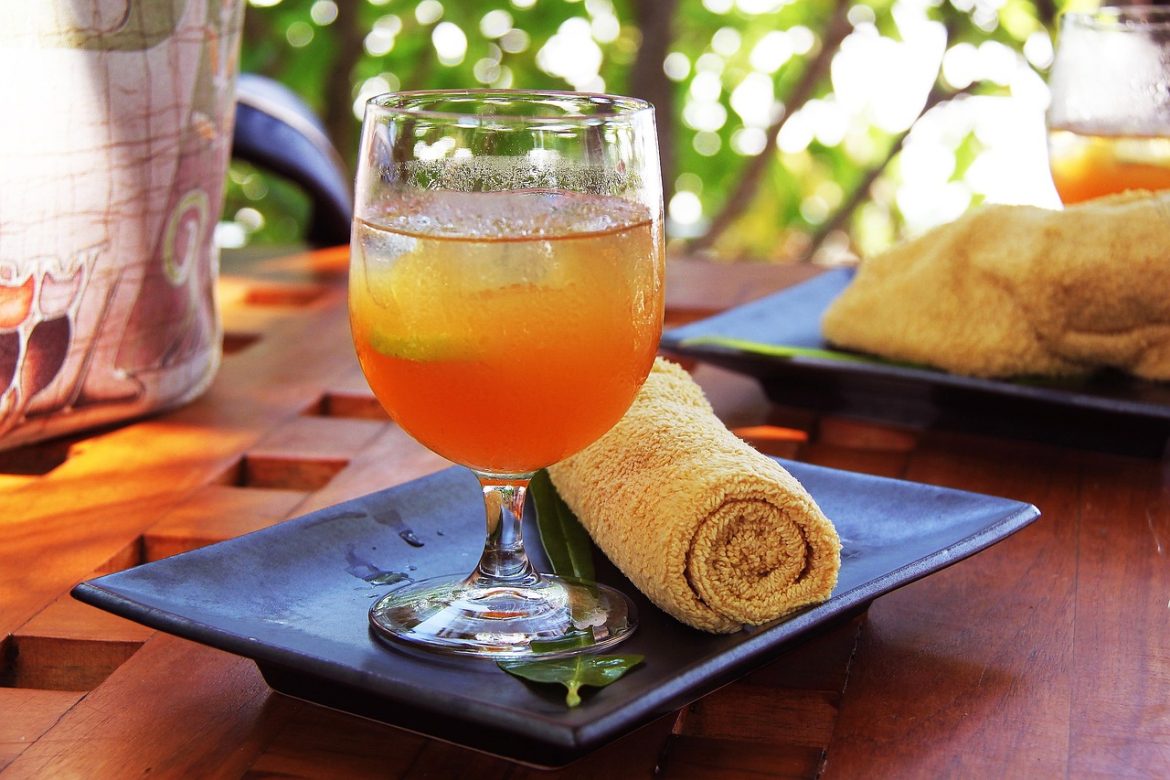
As we progress through the end of this year, it’s vital to address an often-overlooked health risk: sugar-sweetened beverages (SSBs).
These include sodas, flavored juices, sports drinks, and sweetened teas, which are increasingly popular despite their harmful effects on human health.
SSBs are a leading cause of non-communicable diseases (NCDs) like diabetes, heart disease, and obesity, disproportionately affecting people in underserved regions of the world.
Sweet but Dangerous
SSBs deliver empty calories with little nutritional value. Regular consumption has been linked to weight gain and chronic illnesses. While some high-income countries have seen reduced SSB consumption, Developing countries like Ghana continue to face rising rates of health issues due to these drinks, compounded by limited healthcare resources.
The Evidence Is Clear
Studies consistently highlight the dangers of SSB consumption. Research shows a strong link between SSB intake and the development of metabolic syndrome among adolescents. Evidence supports the effectiveness of SSB taxation in reducing consumption and improving health outcomes.
For instance, South Africa’s Health Promotion Levy significantly lowered SSB consumption, particularly among frequent consumers. Similarly, Ghana’s recent 20% SSB tax aims to replicate these successes by reducing sugar consumption and its associated health risks.
Beyond Health: Economic and Social Impacts
The consequences of SSB consumption extend beyond personal health. The economic costs are staggering, from increased healthcare spending to lost productivity due to diet-related diseases.
Globally, SSBs contribute to nearly 180,000 deaths annually, with millions suffering disability-adjusted life years lost to conditions linked to their consumption.
Moving Toward Solutions
SSB taxation is a proven strategy to curb consumption and promote healthier alternatives.
While implementing these measures can be challenging—due to industry opposition and public skepticism—the long-term benefits far outweigh the hurdles. Countries like Zambia have demonstrated how SSB taxes can reduce the burden of lifestyle-related illnesses, setting a precedent for others.
In Ghana, the 2023 SSB tax is a step in the right direction. To ensure its success, public education and stakeholder engagement are crucial. By raising awareness and fostering collaboration, we can amplify the impact of this policy and encourage healthier choices across the nation.
A Shared Responsibility
This Nutrition Month, let’s focus on reducing SSB consumption and advocating for policies that prioritize public health. By working together—policymakers, communities, and individuals—we can combat the hidden dangers of sugar-sweetened beverages and create a healthier future for everyone.
References
- Abdulai K, Rampalli KK, Agordoh PD, Laar A. A Review of the Impact of Sugar-Sweetened Beverage Taxes on Health Outcomes in Low and Middle-Income Countries: Implications for Food-Related Fiscal Policies in Ghana. 2024.
- Malik VS, Popkin BM, Bray GA, Després JP, Willett WC, Hu FB. Sugar-sweetened beverages and risk of metabolic syndrome and type 2 diabetes: a meta-analysis. Diabetes Care. 2010;33(11):2477-2483.
- Dai Z, Rundle A, Goldsmith J. Changing patterns in the consumption of soft drinks among children and adolescents: A systematic review. Nutr Rev. 2021;79(3):347-361.
- Jones A, Smith L, Roberts C. Socioeconomic disparities and the health impacts of SSB consumption in developing countries. Nutrients. 2020;12(4):1120.
- Smith JD, Mytton OT, McGowan YK. Potential health gains and reductions in healthcare costs from sugar-sweetened beverage taxes: A systematic review. Soc Sci Med. 2022;285:114431.
- Thow AM, Downs S, Jan S. A systematic review of the effectiveness of food taxes and subsidies to improve diets: Understanding the recent evidence. Nutr Rev. 2018;76(9):674-700.
- Singh GM, Micha R, Khatibzadeh S, Lim S, Ezzati M, Mozaffarian D. Estimated global, regional, and national disease burdens related to sugar-sweetened beverage consumption in 2010. Circulation. 2015;132(8):639-666.
- Stacey N, Edoka I, Hofman K, Swart EC, Popkin B, Ng SW. Changes in beverage purchases following the implementation of a sugar-sweetened beverage tax in a large urban setting. J Public Health Policy. 2021;42(1):88-102.
- Hangoma P, Mukanu M. Projected Health Benefits of SSB Taxation in Zambia. Health Policy Plan. 2020;35(7):795-806.