
Food and Nutrition
Through our Food and Nutrition Initiative, we address the dual challenges of hunger and malnutrition in underserved areas of Ghana. This program operates Nutritional Health Centers that provide vital health assessments, targeted nutritional support, and educational resources to promote healthy dietary practices. In addition, our Food Parcel Program delivers essential food supplies to vulnerable households, ensuring no family is left behind.
Guided by Sustainable Development Goal 2 (Zero Hunger), we focus on promoting good infant and young child feeding practices, improving maternal, newborn, and child health (MNCH) dietary outcomes. Our mission is to foster long-term health and resilience among marginalized communities, through a holistic approach to nutrition and health education.
““A healthy diet is a solution to many of our health-care problems. It’s the most important solution.””
– John Mackey, Co-founder of Whole Foods Market
Why we prioritize food and nutrition
In Ghana’s underserved regions, poverty, lack of education, and limited access to nutritious foods leave many vulnerable to hunger and malnutrition. These challenges are particularly acute for infants, young children, and mothers, where poor dietary habits significantly impact health outcomes.
Our Food and Nutrition Initiative tackles these barriers with a three-pronged approach:
Nutritional Health Centers: Offering health assessments, nutritional education, and support services to combat malnutrition and improve dietary habits.
Providing life-saving food supplies to families in need, ensuring immediate relief while promoting healthier eating practices.
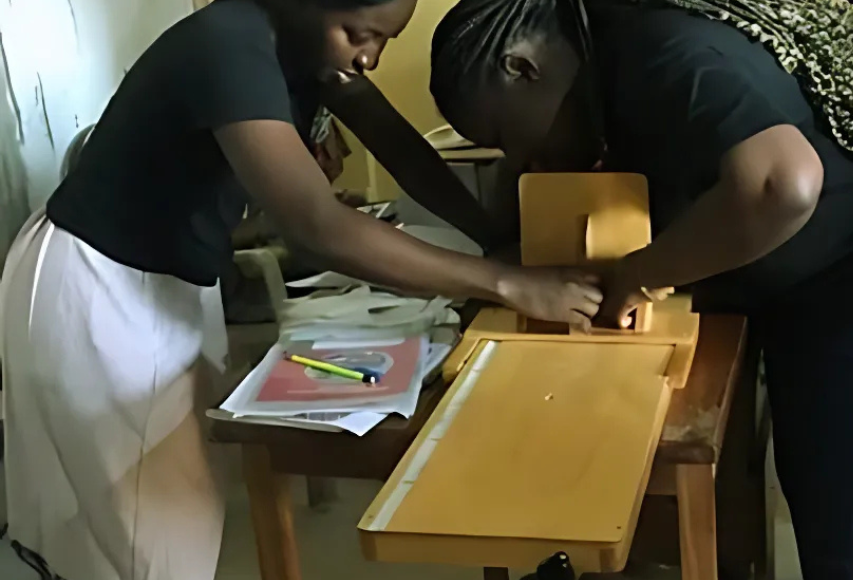
Nutrition Capacity Building: Training nurses and midwives in nutrition and maternal health.

By mainstreaming food and nutrition concerns into maternal and child health, we aim to break cycles of malnutrition and build healthier communities. Our programs educate households on affordable, locally sourced nutritious foods, ensuring long-term impact and sustainability.
- Operating Nutritional Health Centers with a focus on MNCH outcomes.
- Distributing food parcels to vulnerable individuals and families.
- Promoting good infant and young child feeding practices through workshops and community outreach.
- Educating households on sustainable dietary habits for improved health and well-being.
How we make change happen:
- Immediate Relief: In times of crisis, urgent action is essential. We deliver food and clean water to vulnerable populations, providing lifesaving support when they need it most. By addressing critical needs, we restore hope and create a foundation for recovery.
- Capacity Building: Empowerment is at the heart of sustainable change. We invest in training programs for health workers, equip communities with knowledge, and provide youth with vocational skills. These efforts strengthen local capacities, enabling individuals to build better futures for themselves and their families.
- Systemic change: Lasting transformation requires addressing the root causes of poverty. Through advocacy, we work to influence policies that promote food security, healthcare access, and youth empowerment. Our aim is to create systems that support equitable opportunities and long-term resilience.
- Sustainable: True change endures when communities can sustain themselves. By strengthening local health systems, promoting education, and fostering self-reliance, we ensure that the progress we make together continues to benefit future generations.
Our four-stage impact process ensures that every initiative we undertake is a step toward achieving our vision of a world where every individual has the opportunity to thrive.