
Advocacy and Campaigns
Creating a world where basic needs are met for all requires more than action—it demands awareness and systemic change. Through our Advocacy and Awareness Campaigns, we raise the visibility of pressing challenges, engage policymakers, and empower communities to demand and contribute to sustainable solutions.
Guided by the principles of Sustainable Development Goals 2 (Zero Hunger), 6 (Clean Water and Sanitation), and 8 (Decent Work and Economic Growth), our campaigns inspire collective action to address inequalities and prioritize essential services.
By amplifying the voices of underserved communities, we bridge the gap between grassroots needs and national and international policy frameworks
“It is not enough to be compassionate – you must act.”
– The Dalai Lama
Why we prioritize water in our projects
Achieving lasting change requires more than direct interventions—it requires shifts in attitudes, behaviors, and policies. Many underserved communities in Ghana face systemic barriers to food security, clean water, and opportunities for youth empowerment. Addressing these issues at their root demands awareness among stakeholders and advocacy for policies that support equitable development.
Promote Food Security: Highlighting the importance of nutrition and sustainable agricultural practices in tackling hunger.
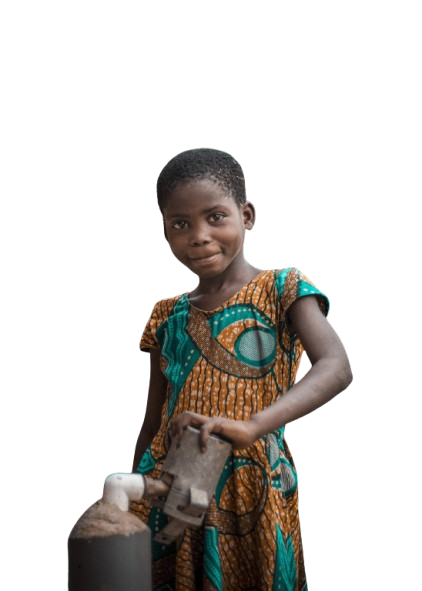
Champion Clean Water Access: Driving campaigns for investment in safe and sustainable water systems for all.
Empower Youth: Advocating for education and job opportunities that empower young people to lead.

By bringing together communities, governments, and stakeholders, we foster collaboration that turns awareness into action through these advocacy initiatives:
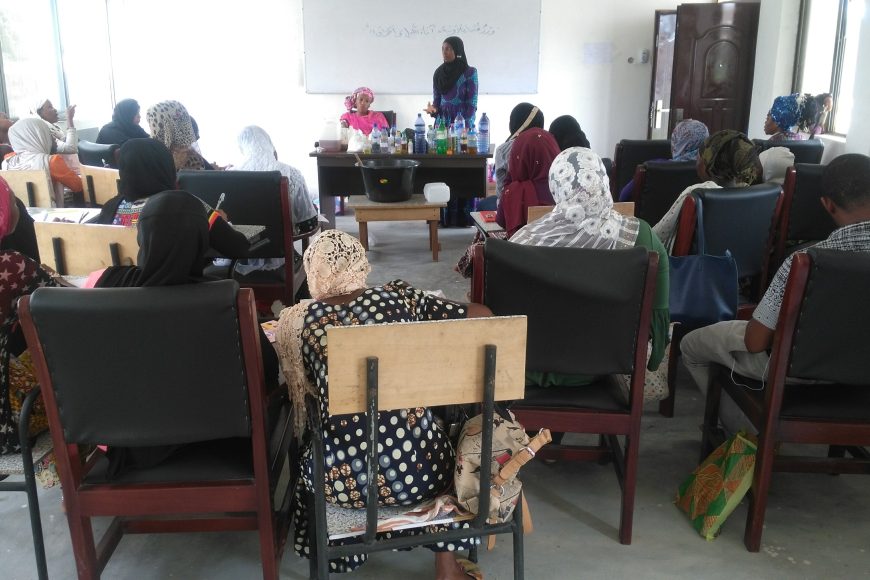
- Organizing community workshops and educational events.
- Collaborating with policymakers to influence equitable policies on food, water, and youth development.
- Utilizing media campaigns to raise public awareness about critical issues.
- Engaging local leaders and influencers to advocate for sustainable development priorities.
How we make change happen:
- Immediate Relief: In times of crisis, urgent action is essential. We deliver food and clean water to vulnerable populations, providing lifesaving support when they need it most. By addressing critical needs, we restore hope and create a foundation for recovery.
- Capacity Building: Empowerment is at the heart of sustainable change. We invest in training programs for health workers, equip communities with knowledge, and provide youth with vocational skills. These efforts strengthen local capacities, enabling individuals to build better futures for themselves and their families.
- Systemic change: Lasting transformation requires addressing the root causes of poverty. Through advocacy, we work to influence policies that promote food security, healthcare access, and youth empowerment. Our aim is to create systems that support equitable opportunities and long-term resilience.
- Sustainable: True change endures when communities can sustain themselves. By strengthening local health systems, promoting education, and fostering self-reliance, we ensure that the progress we make together continues to benefit future generations.
Our four-stage impact process ensures that every initiative we undertake is a step toward achieving our vision of a world where every individual has the opportunity to thrive.